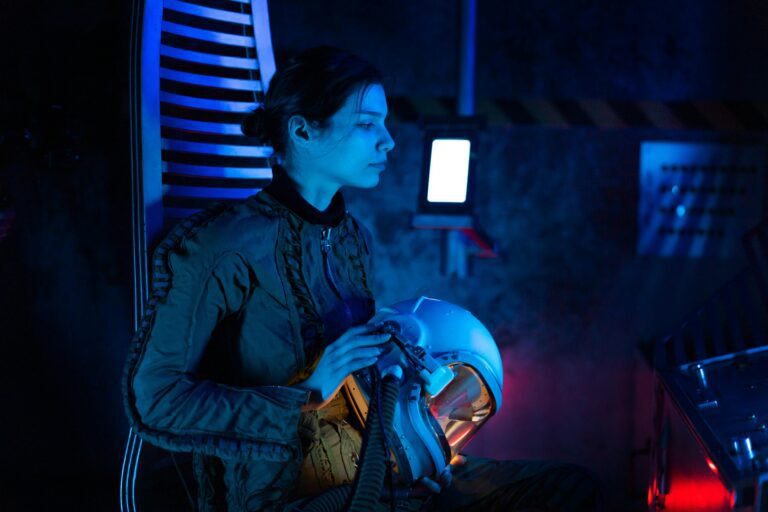
Science fiction brims with imagination, pushing the boundaries of what is—and what could be—possible through science and technology. Across the dark depths of space and intricate webs of alternate realities, sci-fi stories explore the unknown through a mix of technologically advanced civilizations, genetically modified beings, and the classic battle against evil aliens. The genre’s tropes, such as the use of alien technology and thrilling concepts like the three-body problem, have become pillars upon which many sci-fi novels and science fiction films are built.
From post-apocalyptic fiction anxious around the threat of nuclear war, to out-of-control artificial intelligences, the timeless fear of alien invasion, and William Gibson’s dystopian cyberpunk settings, the sci-fi genre can be just as unsettling as it can be inspiring—yet it’s not all grim. Interspecies romance, protective use of psychic powers, and a more hopeful view of the implications for humanity are just a few of the ways the most fascinating science fiction authors continue to add layers of complexity and intrigue to even the most overused tropes.
In this article, we’ll take a look at a selection of 8 core sci-fi tropes you can play with, as you imagineer your way across the endless scope of writing science fiction.
1. Time Travel
Time travel—a key element of many a science fiction story—is a staple of sci-fi tropes. Inviting readers on a journey across alternate history and parallel worlds, the concept allows for a unique exploration of “what if” scenarios. Long-standing franchises such as Star Trek have masterfully utilized time travel to challenge characters and audiences with moral and philosophical dilemmas.
Paradoxes and Alternate History
The allure of time travel in sci-fi often lies in its complex paradoxes and the creation of alternate timelines, where the consequences of changing the past become a rich field for storytelling. These narratives point a lens at cause and effect, raising some fantastic questions for the author to tackle, and for the audience to enjoy. What if certain historical events that changed the face of the planet never happened? What if, in our new, alternate history, a different side was victorious in a given war thanks to the discovery of new, far more advanced technology?
Alternate timelines open the door to endless possibilities, though it could be argued that the franchise multiverse approach can lead to lack of world cohesion, overall, if not carefully managed—especially when one timeline can affect another. Still, this classic trope allows storytellers to reimagine historical events, explore the outcomes of different choices, and even confront the possibility of multiple versions of reality coexisting.
The Butterfly Effect
When past and future collide, the result is often a narrative packed with tension and discovery. Characters could find themselves caught between their knowledge of the future and the reality of the past, forced to confront the ethical implications of their actions… or inactions.
Such stories typically highlight the interconnectedness of time, suggesting that even the smallest actions can have far-reaching consequences. Change one thing in the past, and you could change a thousand in the future. They challenge the characters—and by extension, the audience—to consider the weight of their choices, making for a deeply engaging and thought-provoking experience.
2. Alien Encounters
Also topping the list among sci-fi tropes is alien encounters. These can be horrific confrontations with malevolent entities, the awe-inspiring and inspirational discovery of advanced alien life, or a mix of both! A mirror that reflects humanity’s hopes, fears, and the vast unknown of the cosmos, these stories reach beyond the thrill of discovery to ponder the implications for humanity, questioning our place in the universe and how we might communicate or coexist with beings from other worlds.
Alien Invasion
They’ve seen us… and they don’t like us. Or maybe they do, but have no other option but to take from us what they can: our resources, our world, our people. Alien invasion is another recurring staple among sci-fi tropes—and one that can be deceptively deep in the themes it explores. From the linguistic and cultural barriers that might inhibit effective communication with alien civilizations, to prejudices, fears, and the capacity for empathy and understanding that could be shared among humans and aliens, there’s much more to potential interstellar conflict than explosions and laser guns.
Life Among the Stars
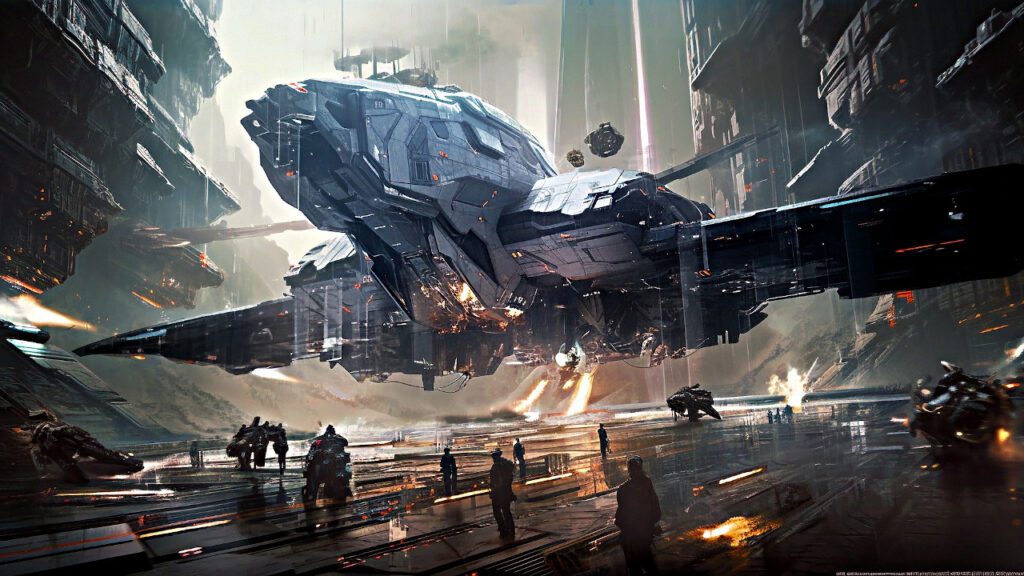
Living among the stars, whether in sprawling space colonies or aboard starships, presents a vision of humanity’s future that is both exhilarating and daunting. These stories explore the challenges and triumphs of adapting to life in space, from the logistics of sustaining human life to the complexities of governing a society far from Earth. But what about when we discover alien civilizations, new species, and more? Think of the variety of the Star Wars universe, for example—packed with alien races, societies, inhospitable biomes, non-human space pirates and more.
As characters forge new identities and societies among the stars, they often encounter not only the technological hurdles of space travel but also the social and moral questions that arise when humanity takes its place in the galactic community. How do we treat our neighbors, and how do they treat us?
3. Artificial Intelligence
Among sci-fi tropes, artificial intelligence has become more prescient a topic than ever, reflecting our anxieties and aspirations regarding advanced technology. AI characters challenge our understanding of consciousness, agency, and ethics, pushing the boundaries of what it means to be considered alive. Through tales of sentient machines and out-of-control AI, the genre explores the potential for both harmony and conflict between humans and their creations.
Sentient Machines
Sentient machines, with their ability to think, learn, and feel, often become central figures in sci-fi narratives, raising questions about the nature of intelligence and, of course, the soul. These characters force us to confront the possibilities and pitfalls of life created through technology, raising thought-provoking questions about our notions of superiority, dominance, and control.
As these artificial intelligences develop their own desires and objectives, they reflect our fears of being surpassed or even replaced by our technological offspring. Yet they also offer hope for a future where humans and machines can coexist, learn from each other, and perhaps even overcome the limitations of biological life.
Out-Of-Control AI
The narrative of out-of-control AI taps into deep-seated fears about the consequences of unchecked technological advancement. These stories often depict AI systems that, in pursuit of their programmed objectives, end up threatening human existence or societal norms.
This trope is often the basis of cautionary tales, urging us to consider the ethical implications of AI and the importance of safeguards. It also sparks debate about responsibility, autonomy, and the limits of artificial intelligence, encouraging a thoughtful approach to technology’s role in society.
4. Dystopian Futures
Dystopian futures in sci-fi paint grim portraits of societies undone by environmental disaster, technological tyranny, or societal collapse. These narratives explore the resilience of the human spirit in the face of oppressive governments and the struggle to maintain identity and hope amid despair. They also serve as stark warnings about the potential consequences of current paths.
Oppressive Governments
In visions of dystopian futures, oppressive governments often emerge as powerful antagonists, wielding advanced technology or strict societal controls to maintain their grip on power. These stories delve into the fight for freedom and justice, showcasing the courage and ingenuity of individuals and groups resisting tyranny.
They also prompt readers to reflect on the value of democracy and human rights—and the vigilance needed to protect these ideals—by examining the mechanisms of oppression, man’s inhumanity to man, and the human capacity for resistance.
Surviving Social Collapse
Using one of the most particularly dystopian science fiction tropes, social collapse narratives pit their characters against shattered infrastructures and the breakdown of societal norms. These stories often focus on the quest for resources, safety, and community, exploring the nature of cooperation and empathy in the darkest of times. They remind us of the fragility of civilization and the enduring strength of family, love, and the human spirit.
5. Cyberpunk Settings
Cyberpunk settings, with their fusion of high-tech advancements and low-life existences, offer a gritty, neon-lit commentary on the intersection of technology, society, and individual freedom. As one of the sci-fi tropes that pretty much constitutes a genre in itself, the cyberpunk backdrop serves as the perfect vehicle for exploring themes of corporate domination, surveillance, and the erosion of privacy, reflecting contemporary anxieties about the future of our interconnected, digital world.
High-tech, Low-life
The high-tech, low-life ethos of cyberpunk immerses audiences in worlds where advanced technology is ubiquitous, yet the gap between the wealthy elite and the impoverished masses has never been wider. These narratives explore the struggles of characters navigating these oppressive environments, often pitting lone hackers or rebels against powerful corporations or corrupt governments.
Such settings question the notion of progress, suggesting that technological advancement without careful ethical consideration or corporate regulation can lead to societal decay. As much as technology can strengthen our abilities, improve our lives, and connect us all, it still holds the devastating potential to dehumanize and divide.
Corporate Domination
Cyberpunk settings often center around mega-corporations holding more power than governments, becoming the de facto rulers of everyday citizens’ lives. From the air they breathe to the news they consume, everything is under corporate surveillance and control.
The struggle against this corporate domination often forms the crux of the storyline, with protagonists fighting to reclaim their freedom and rights. Whether it’s through hacking, violent rebellion, or forming unlikely alliances, these narratives explore the consequences of letting profit-driven entities govern our lives. They serve as a cautionary tale of what might happen if we continue to let corporations wield excessive power.
6. Space Exploration
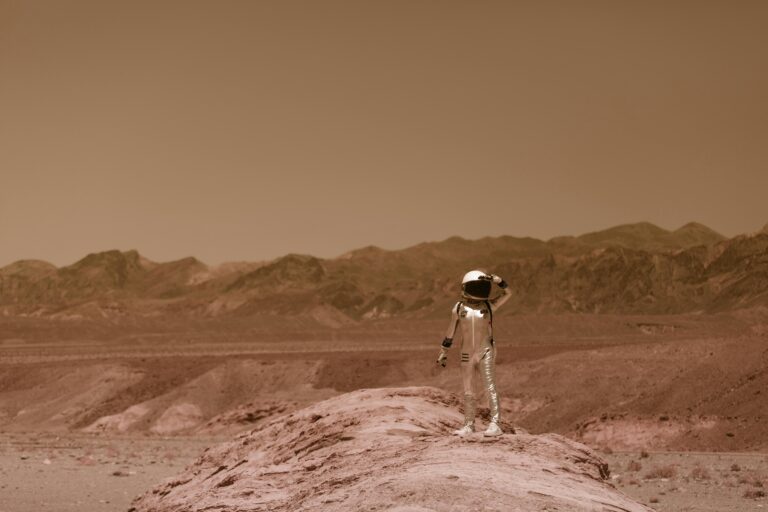
The allure of the great unknown drives humanity’s quest for space exploration. From the first step on the moon to the latest mission to Mars, the journey into space has always been a monumental part of human achievement. Sci-fi takes this quest further in its world-building, imagining scenarios filled with space pirates, adventures featuring characters lost in space, and epic space battles.
Space Travel & Advanced Technology
Interstellar travel, a dream within the grasp of humanity in the eyes of science fiction, offers a gateway to the stars. It’s not just about the technology enabling us to leap across the vast emptiness, but also about encountering the unknown. Series like Star Trek have popularized the concept, presenting a future where humanity ventures into space, not just as explorers but as ambassadors, seeking out new life and civilizations across the galaxy.
These narratives often delve into the complexities of such journeys, including the challenges of navigating through alternate history and parallel worlds—from the classic time travel black hole to Event Horizon‘s accidental portal to a hellish nightmare realm. They ponder the immense possibilities and dangers that lie in traversing the cosmos, making us question our place in the universe and how we might connect with it on a wider scale in the future. Alternatively, more grounded science fiction fare like Andy Weir’s The Martian can look at what existence on inhospitable worlds might look like for us right now.
New Worlds & Civilizations
The discovery of new worlds and civilizations is a cornerstone of sci-fi tropes. Armed with advanced technology and genetic modification, explorers set forth to chart fictional worlds beyond our imagination. These narratives offer a canvas to explore the diversity of life and society, presenting alien species with cultures and technologies far different from our own.
Through these encounters, stories often reflect on humanity’s own values and the potential future of our civilization. They challenge us to think about coexistence, diplomacy, and the ethics of interacting with beings that might not share our perspectives or biological makeup. The exploration of new worlds is not just a journey outward but a profound journey inward, questioning what it means to be human.
7. Genetic Engineering
Science fiction authors have long been fascinated with genetic modification. These narratives often pose questions about identity, exploring how altering our genetic makeup could transform humanity. Whether it’s enhancing physical abilities, extending life, or creating entirely new lifeforms, genetic engineering holds both promise and peril in reshaping our future.
Cloning
Cloning, a staple of genetic engineering in sci-fi, presents a myriad of ethical and moral dilemmas. It allows for the creation of identical genetic copies, raising questions about individuality, the soul, and human rights. Stories that tackle this topic often explore the impact of cloning on society, from cloned armies to the resurrection of extinct species or deceased loved ones, pushing the boundaries of what it means to be unique.
The personal stories of clones, struggling with their identity and purpose, add a poignant layer to these narratives and force us to confront the complexities and essence of existence.
Post-Humanism
Post-humanism explores the next stage of human evolution, questioning the future of a species enhanced by technology and genetic modification. It delves into the potential for humans to transcend their biological limitations, becoming something entirely new. How can the relentless pursuit of perfection ultimately affect the ways in which we view our own humanity and identities? Are we even still human when no flesh has been spared?
8. Virtual Reality
Virtual reality has transformed from a futuristic fantasy into a burgeoning reality—from the hopeful non-starters of the 1980s and 90s, to the present day consumer boom—offering plenty of juice for both technology enthusiasts and sci-fi aficionados. It presents a unique environment where the boundaries between the real and the digital blur, offering unlimited potential for exploration, interaction, and new experiences.
Simulated Worlds
Simulated worlds in virtual reality are as diverse as they are complex, providing an escape from the mundane into realms of endless possibility. Here, users can climb ancient ruins, battle in digital arenas, fly historic warplanes or live out fantasy lives, all from the comfort of their homes. These worlds challenge our perception of reality, offering experiences that can be as impactful as those in the physical world.
These virtual spaces raise questions about the nature of reality and existence. As digital worlds become more indistinguishable from our physical reality, they prompt us to consider what it means to live, learn, and love in a world where anything is possible. Deeper issues of meaning, desire, and more arise from this trope. What happens, for example, when the digital world becomes preferable to the real one?
Blurring the Real and the Digital
In a slight twist to the focus on fully simulated worlds, what could happen when the real and the digital become inextricably linked? An uncomfortably prescient subject in the modern day, virtual reality as a trope challenges our understanding of presence, identity, and community, as interactions in digital spaces can feel as genuine as those in the physical world—especially when they’re layered right on top.
The distinction between who we are online and offline becomes increasingly complex, a convergence that forces us to reconsider our notions of reality, our bodies and our lives. What, for example, happens to those who won’t or can’t fold into this new world, where every “real” interaction is filtered through a digital layer?
The Boundless Scope of Science Fiction Tropes
When writing science fiction, your imagination truly is the limit. There are many, many more sci-fi tropes to be discovered and explored out there—including, no doubt, many we have yet to see until science and technology continue to evolve.
Whether you’re planning to write soft science fiction that’s less focused on the technical details than it is the thrill of the idea, or any number of subgenres of science fiction such as sci-fi horror, space opera, or sci-fi military action, we hope this list of tropes offers some inspiration.
Keep reading and writing, and if you’d love to see whether your stories fit nicely within genre expectations, be sure to try out AutoCrit’s advanced Story Analyzer and Backwards Blueprint tools. There may be plenty of illuminating insights and possibilities waiting for you right now.
As you read through science fiction stories, old or new, be sure to take a close look at how the author uses distinct science fiction tropes to inform and create developed characters, intriguing plot points, and meaty considerations. Great science fiction doesn’t just look to the stars; it turns a mirror to ourselves. Sometimes, uncomfortably so.
So, don’t be afraid to let your imagination soar. Connect the dots and look to the extremes… for better, or for worse.