Flawed characters are the heart and soul of storytelling. From minor flaws to major man-you-need-to-seek-professional-help shortcomings, the ways in which a certain flaw affects your fictional characters is a primary tool for adding complexity and realism to your stories.
But the question is: how exactly do you do it?
Today, we’ve come up with 25 character flaws to consider, along with examples from various works of fiction, to help develop characters of your own that stand out, entertain, and perhaps hold more beneath the surface than initially appears.
Common Flawed Personality Traits
Let’s start with some common character flaws, which are the most relatable to readers. These are traits that lead to those human moments in which readers can easily see themselves, or at least relate to or recognize the struggle being presented.
Whether it’s pride, fear, or insecurity, these flaws in a character’s personality help to generate tension, move the story forward, and invite empathy. Explore these vulnerabilities, and even try mixing and matching them to create complex characters that feel conflicted, compelling, and most of all… real.
Arrogance
-
Description: An inflated sense of self-worth, often leading to hubris.
-
Example: Macbeth from Shakespeare’s Macbeth is a prime example of an arrogant character. Once he holds the reins of power, his ambition gives way to an outlook of sheer arrogance, ultimately leading to his downfall.
-
Possible Genre Use (Romance): Arrogance can be easily conveyed through subtle body language cues like a raised eyebrow, a dismissive sigh, or a condescending tone… especially in response to another character’s vulnerability.
Insecurity
-
Description: A lack of self-confidence, often manifesting as self-doubt, anxiety… or worse.
-
Example: Tom Ripley from Patricia Highsmith’s The Talented Mr. Ripley is a layered character with insecurity at his core. He’s a murderously psychopathic con artist, yes, but at the heart of Tom Ripley’s manipulative nature lies the deep wound of a traumatic past—one that has resulted in an incredible insecurity in the strength of his own personality. This is, perhaps, why he ultimately feels more comfortable in the metaphorical wearing of someone else’s skin.
-
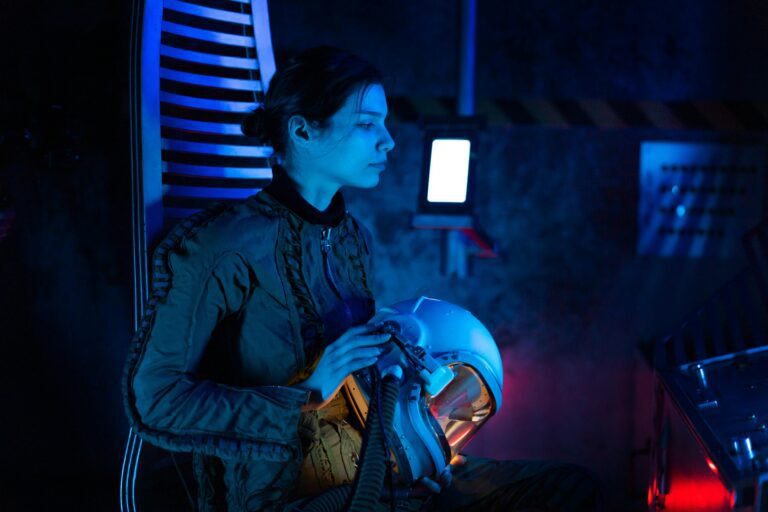
Possible Genre Use (Sci Fi): Utilize the environment around your character to force a sense of insecurity upon them. Perhaps they are from a less technologically advanced civilization, making them feel inadequate in a high-tech world.
Jealousy
-
Description: Resentment and bitterness towards others’ success or possessions.
-
Example: Iago from Shakespeare’s Othello is a master manipulator driven by jealousy. His envy of Cassio and Othello leads him to plot their downfall.
-
Possible Genre Use (Fantasy): Play with power dynamics to create a situation where the envy a character possesses leads to betrayal, acts of sabotage, or even backstabbing!
Greed
-
Description: An insatiable desire for wealth, power, or possessions.
-
Example: Ebenezer Scrooge from Charles Dickens’ A Christmas Carol is a greedy character whose transformation is driven by a realization of the emptiness of his materialistic pursuits.
-
Possible Genre Use (Thriller): Your power-hungry politician accepts bribes and engages in shady deals for personal gain. They are driven by a need to protect their reputation and maintain power. If threatened they may resort to intimidation, blackmail, and even violence.
Laziness
Description: A reluctance to work or exert effort.
-
Example: Homer Simpson from The Simpsons is a quintessential example of a lazy character. His lack of motivation and search for shortcuts often lead to comical situations.
-
Possible Genre Use (Mystery): Make your protagonist unmotivated. Create a detective who is more interested in leisure activities than solving crimes… with disastrous results.
Pride
-
Description: Excessive self-esteem and self-importance.
-
Example: Mr. Darcy from Jane Austen’s Pride and Prejudice is initially proud and arrogant, but his pride is eventually humbled by Elizabeth Bennet’s wit and intelligence.
-
Possible Genre Use (Middle Grade): Create a character who thinks they’re the funniest person in the class, always cracking jokes and seeking attention. Have them learn a valuable lesson through a failed attempt at humor, perhaps embarrassing themselves in front of a crush or during a school performance.
Anger
-
Description: A tendency to become easily irritated or furious.
-
Example: Bruce Banner/The Hulk from Marvel Comics is a prime example of a character driven by anger. His rage transforms him into a powerful, destructive being.
-
Possible Genre Use (Horror): Write a character who is battling their own inner demons and struggling to control their anger. The character’s anger could be exploited by a supernatural force, leading to a horrifying transformation.
Fear
-
Description: A persistent feeling of anxiety or dread.
-
Example: Frodo Baggins from J.R.R. Tolkien’s The Lord of the Rings is overwhelmed by fear but perseveres in his quest to destroy the One Ring.
-
Possible Genre Use (Historical Fiction): Show the fear and trauma experienced by soldiers on the battlefield or civilians caught in the crossfire. Place characters in situations where they must make difficult choices, leading to feelings of guilt, anxiety, and uncertainty.
Guilt
-
Description: A sense of remorse or responsibility for past mistakes.
-
Example: Batman from DC Comics is haunted by the murder of his parents, which drives his relentless pursuit of justice. Though as a child he could not have intervened in the event, his crusade against Gotham’s criminals is nonetheless fueled by survivor’s guilt.
-
Possible Genre Use (Action/Adventure): The protagonist may have a dark secret from their past that they’ve kept hidden, leading to feelings of shame and guilt. The character may be compelled to make dangerous or reckless choices to atone for their mistake or secret.
Shame
-
Description: A painful feeling of humiliation or disgrace.
-
Example: Hester Prynne from Nathaniel Hawthorne’s The Scarlet Letter is stigmatized by society for her adultery, leading to a life of shame and isolation.
-
Possible Genre Use (Gothic Fiction): The character may have made a deal with a dark force, sacrificing their morality for power or wealth. As the character becomes more corrupt, they may experience feelings of shame and self-loathing, leading to a descent into madness.
Uncommon Powerful Flaws
Codependency
Description: An excessive emotional or psychological dependence on another person.
Example: Carrie Bradshaw from Sex and the City often relies heavily on her friends for emotional support and validation, sometimes neglecting her own needs.
Possible Genre Use (Paranormal): Two characters, often a psychic and their familiar or guardian spirit, are bound together by a powerful psychic connection. The bond can become toxic, with one character sacrificing their own needs and desires to fulfill the other’s.
Control Freak
Description: A need to micromanage every aspect of their life and the lives of others.
Example: Cersei Lannister from the Game of Thrones series is obsessed with power and control, often manipulating others to achieve her goals.
Possible Genre Use (Western): This character believes they have the right to enforce their own brand of justice, often with excessive force. They see themselves as a savior figure, believing they are the only one who can protect the town.
Perfectionism
Description: An obsessive desire to be flawless.
Example: Lisbeth Salander from the Millennium series is highly intelligent but socially awkward. Her perfectionism often leads to social isolation and difficulty in relationships.
Possible Genre Use (Dystopian): A leader who demands absolute obedience and enforces strict conformity. Their obsession with perfection can ultimately lead to their downfall and the collapse of their regime.
People-Pleasing
Description: A constant need to seek approval and avoid conflict by making other people feel happy and comfortable.
Example: Charlotte York from Sex and the City often puts the needs of others before her own, leading to resentment and burnout.
Possible Genre Use (Memoir): Share your realization that you were a people-pleaser and how it impacted your life. Discuss the steps you took to establish healthier boundaries and prioritize your own needs. Explain how embracing your true self and learning to say “no” led you in a more positive direction.
Self-Sabotage
Description: A tendency to undermine one’s own success.
Example: Tony Soprano from The Sopranos often sabotages his own therapy and relationships due to his fear of vulnerability and commitment.
Possible Genre Use (Young Adult): This character constantly puts themselves down and doubts their abilities. They are afraid to start tasks, fearing they won’t be good enough. Their self-doubt prevents them from taking risks and pursuing their dreams.
Cynicism
Description: A belief that people are motivated solely by self-interest.
Example: Don Draper from Mad Men is a cynical and manipulative character who often uses people for his own gain. Of course, his cynicism is simply a projection of his own selfish outlook.
Possible Genre Use (Literary Fiction): A past heartbreak may have led to a cynical view of love and relationships. They may avoid emotional intimacy, fearing further disappointment. The character may believe that life is meaningless and that there is no higher purpose.
Pessimism
Description: A tendency to focus on the negative aspects of life.
Example: Eeyore from Winnie the Pooh is a perpetually gloomy character who often sees the worst in every situation.
Possible Genre Use (Crime Fiction): A victim who feels powerless to change their circumstances. They may believe that their situation is hopeless and that there is no way out. Their pessimistic worldview can lead to a tragic end, as they are consumed by their own darkness.
Impulsiveness
Description: Acting without thinking.
Example: Ron Weasley from the Harry Potter series often acts impulsively, sometimes leading to disastrous consequences.
Possible Genre Use (Children’s Fiction): This character often acts without thinking, leading to unexpected consequences. Because of the results of their impulsive behavior, they learn valuable lessons about patience and planning.
Distractibility
Description: An inability to focus on one task at a time.
Example: Luna Lovegood, also from the Harry Potter series, is often lost in her own thoughts and easily distracted.
Possible Genre Use (Cozy Mystery): Your sleuth is constantly misplacing keys, forgetting appointments, and leaving their phone in odd places. A shiny object or an interesting distraction can easily derail their investigation. Their distractibility leads to humorous situations and unexpected twists in the plot.
Overthinking
Description: A tendency to analyze situations excessively.
Example: Sheldon Cooper from The Big Bang Theory is known for his obsessive-compulsive behavior and tendency to overanalyze every situation.
Possible Genre Use (Comedy): They tend to imagine the worst-case scenario for every situation, no matter how minor. They offer elaborate and unsolicited advice for their friends’ problems. Their overthinking can provide comic relief, especially when their concerns prove to be unfounded.
Unique and Intriguing Flaws
A Secret Addiction
Description: A hidden vice that threatens to destroy their life.
Example: In The Picture of Dorian Gray, Dorian Gray’s addiction to pleasure and self-indulgence leads to his moral decay and eventual downfall, culminating in the hideous revelation of his portrait’s physical appearance.
A Dark Past
Description: A traumatic event that haunts them.
Example: In Frankenstein, the creature’s tragic past and rejection by society lead him to a life of isolation and revenge.
Morally Grey
Description: A character who questions societal norms and values, and doesn’t always act in accordance with what is “good” or “just.”
Example: In The Stranger, Meursault challenges traditional notions of morality and justice, leading to his alienation from society.
Fear of Failure
Description: A crippling anxiety about not being good enough.
Example: In The Great Gatsby, Jay Gatsby’s relentless pursuit of wealth and status is driven by a deep-seated fear of failure and inadequacy.
Conspiracy Theories Galore
Description: A character who is convinced that the world is controlled by secret forces.
Example: While not a central character trait, characters like Tyler Durden in Fight Club embody a sense of paranoia and a belief in a hidden, oppressive system.
Fatal Flaws in Relation to Character Arc
It’s worth introducing a brief discussion here of how character flaws influence both a character’s arc, and the arc of the story itself—especially in relation to what we would call fatal flaws.
First, we have to understand that a character arc refers to the internal growth and development (or lack thereof) of a single character as they experience the events of the story, while a story arc refers to the external sequence of events as the plot unfolds. Where does everyone start, and where does everyone end?
The heart of this journey lies in your character’s flaws or weaknesse. Whether a story follows a positive arc (where a character overcomes obstacles to grow) or a negative arc (where they spiral into ruin), your character’s flaws drive the narrative—they provide the fuel for the push and pull that sends the plot along its various tracks. Flaws like excessive pride or unchecked ambition can create compelling tension as the character either battles against or succumbs to these traits, leading to different outcomes and challenging scenarios.
In contrast, flat character arcs—where characters remain steadfast in their beliefs with little in the way of internal conflict—can still be (rather counterintuitively) dynamic when the focus shifts to how their resolve impacts others.
This is where it gets more fun to think about character arc versus story arc.
Remember that flat arcs don’t necessarily mean flat characters—merely those who fail to, or refuse to, undergo core personal transformations throughout the story. Katniss Everdeen of The Hunger Games is a strong example of a character with a flat arc who nonetheless emerges victorious after major strife, having made sweeping changes to the social landscape of her world.
In stories with a negative arc, however, the character’s resistance to change ensures their flaws consume them. This is where the “hubris of heroes” shines as a classic example of a flaw that blinds characters to reality. It’s the tragic king refusing to listen to reason, or the ambitious villain overreaching their grasp.
The beauty of a fatal flaw is that it’s often rooted in strength: pride in one’s abilities, a desire to protect, or unshakable confidence. Yet, unchecked, these traits doom the character and the flaw literally proves fatal—not just physically, but emotionally or morally. The resistance to change often leads to a character’s downfall, culminating in tragedy or moral death when their actions betray their principles.
Take some time to think about how you can explore your character’s flaws in relation to their arc. Whether redemption or ruin awaits, understanding the role of flaws in shaping arcs ensures characters feel authentic. And, as their traits unravel, we get to see how even the strongest heroes or villains can fall prey to what was within them all along.
Let Your Flaw Flag Fly
In conclusion: don’t be afraid to give your characters flaws that challenge them and drive the plot forward! For engaging character arcs, and a story arc that’s packed with surprises and emotional touch points, let your characters make mistakes, deal with the consequences, and adapt (or not) as they go. This is the route to more realistic, complex, and engaging characterization across the board.
To further enhance your writing and character development, consider using AutoCrit’s Story Analyzer and Backwards Blueprint tool. These reports can help you dig deeper into your characters by analyzing their Jungian Archetype, which can reveal underlying motivations and conflicts. By understanding your character’s archetype, you can better develop their flaws and strengths with an eye on actual human psychology.
With AutoCrit Pro, you can also put to use a mind-blowing range of additional tools for everything from planning, to writing, to line editing—all coming together to form your ultimate writing coach. Why not give it a try right now?